Comparing Smartwatch Battery Performance: Which Devices Last Longest?
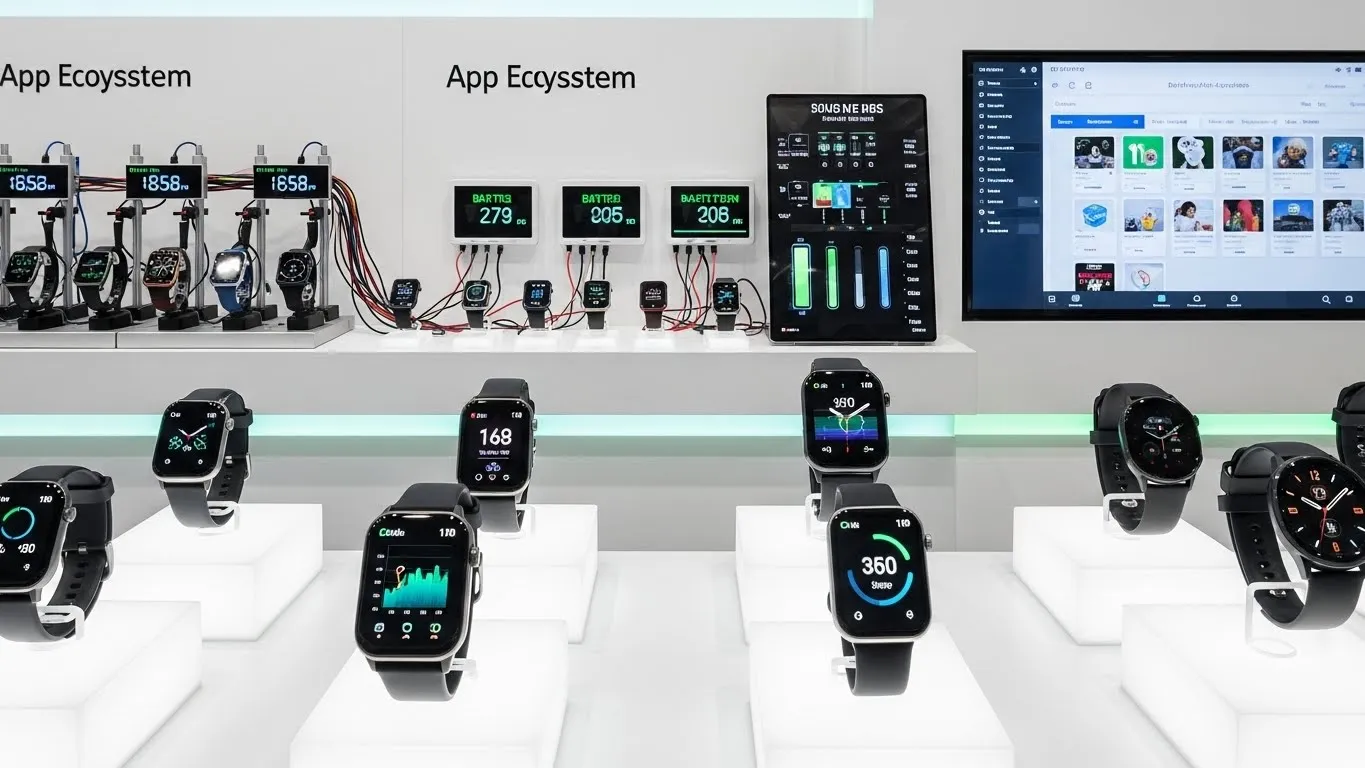
Comparing Smartwatch Battery Performance: Which Devices Last Longest?
Choosing the right smartwatch often boils down to a critical factor: smartwatch battery performance. In a world where we rely on our devices for everything from fitness tracking to notifications, a watch that needs constant charging can quickly become a hindrance. This comprehensive guide dives deep into the longevity of popular smartwatches, analyzing which devices genuinely offer the best battery life for demanding users. We'll cut through the marketing jargon to provide real-world insights, helping you identify the smartwatches that last longest and truly keep up with your active lifestyle.
Key Points:
- Battery Life Varies Widely: From 18 hours to several weeks, duration depends heavily on features.
- Feature Trade-offs: Advanced sensors and vibrant displays consume more power.
- Optimized Usage is Key: Disabling certain features can significantly extend battery life.
- Top Performers Emerge: Specific brands and models consistently lead in smartwatch battery performance.
- Future is Brighter: New technologies promise even longer-lasting wearables.
Understanding Smartwatch Battery Performance Factors
The advertised smartwatch battery performance often differs significantly from real-world usage due to a multitude of influencing factors. Understanding these elements is crucial when you're looking for which devices last longest. High-resolution AMOLED displays, while beautiful, are significant power drains, especially with Always-On Display (AOD) enabled. Similarly, robust processing power, necessary for seamless app performance and complex health metrics, requires substantial energy.
GPS usage is another primary battery consumer, as it constantly communicates with satellites. Frequent notifications, continuous heart rate monitoring, blood oxygen tracking, and sleep analysis all contribute to increased power consumption. Even the operating system and its background processes play a vital role. Devices with highly optimized software often manage to squeeze more life out of smaller batteries, demonstrating superior power efficiency compared to less refined competitors.
Top Contenders: Smartwatches with Exceptional Battery Life
When it comes to smartwatch battery performance, several brands and models consistently stand out, delivering truly long-lasting experiences. These devices prioritize endurance without necessarily sacrificing core smartwatch functionalities.
- Garmin Fenix Series (e.g., Fenix 7 Pro, Enduro 2):
- Noteworthy Endurance: Renowned for multi-week battery life, especially in smartwatch mode (up to 20-30 days) and extensive GPS tracking (up to 100+ hours).
- Solar Charging: Many models feature Power Glass, which converts sunlight into battery power, significantly extending outdoor usage.
- Target Audience: Outdoor enthusiasts, athletes, and adventurers who need reliable, long-term power away from chargers.
- Differentiated Value: Garmin's unique power management profiles allow users to customize sensor usage, offering unparalleled control over power consumption.
- Amazfit GTR/GTS Series (e.g., GTR 4, GTS 4):
- Impressive Mid-Range Battery: Offers up to 14 days of typical use, sometimes more with lighter usage.
- Efficient OS: Runs on Zepp OS, a lightweight and efficient platform designed for longevity.
- Good Value: Provides excellent battery life at a more accessible price point than premium competitors.
- Samsung Galaxy Watch Series (e.g., Galaxy Watch 5 Pro):
- Balanced Performance: While standard Galaxy Watches offer 1-2 days, the "Pro" models often boast significantly larger batteries, pushing towards 2-3 days of heavy use.
- Wear OS Integration: Delivers full Android smartwatch functionality with improved battery optimizations.
- Specific Innovation: The Watch 5 Pro featured a notably larger battery, directly addressing prior battery concerns for power users.
These smartwatches demonstrate that it's possible to combine advanced features with extended smartwatch usage, moving beyond the daily charge cycle typical of many mainstream devices.
Battery Life Face-Off: Detailed Comparisons
Let's delve into a more direct comparison of smartwatch battery performance among leading devices, examining advertised claims versus practical applications. While Apple Watch models (like the Series 9 or Ultra) offer 18-36 hours, they often require daily charging. The Ultra, with its larger battery, does push into multi-day use under moderate conditions, yet it still typically falls short of the weeks-long endurance seen in dedicated fitness trackers.
Consider the Garmin Enduro 2 versus the Apple Watch Ultra 2. The Enduro 2, with its transflective display and robust software, can easily last a month on a single charge in smartwatch mode, with GPS use still providing days of tracking. The Apple Watch Ultra 2, despite its impressive leap in battery life for an Apple device, typically lasts 2-3 days, depending on usage. While the Ultra offers a richer app ecosystem and a more vibrant display, its power efficiency for raw endurance cannot match Garmin's specialized focus.
Another interesting comparison involves the Amazfit GTR 4 against an entry-level Fitbit Sense 2. Both offer multi-day battery life (7-14 days), but the Amazfit often provides a more comprehensive set of smart features, including richer display graphics, while maintaining similar endurance. This highlights how software optimization and efficient chipset design contribute heavily to long-lasting smartwatches, even in the mid-range segment.
Maximizing Your Smartwatch's Battery Lifespan
Even the most robust smartwatch battery performance can be extended further with smart usage habits. Simple adjustments can significantly impact how long your device lasts between charges.
- Manage Always-On Display (AOD): While convenient, AOD drains battery quickly. Disabling it or setting it to turn off during sleep hours can add hours or even days.
- Limit GPS Usage: If you're not actively tracking an outdoor workout, disable continuous GPS. For many urban users, phone-connected GPS might be sufficient for casual tracking.
- Optimize Notifications: Reduce the number of apps sending notifications to your watch. Each buzz and screen-on event consumes power.
- Adjust Screen Brightness & Timeout: Lowering screen brightness and setting a shorter screen timeout period will reduce power draw from the display.
- Disable Unused Sensors: Turn off continuous SpO2 monitoring or background heart rate checks if they're not essential for your current needs.
- Use Power Saving Modes: Most smartwatches offer specific battery saver modes that restrict features to prolong life. These are invaluable for extended smartwatch usage.
- Regular Software Updates: Manufacturers often release updates that include battery optimizations. Keep your device's software current to benefit from these improvements.
By adopting these practices, users can dramatically improve the daily smartwatch battery performance of their devices, enjoying longer periods of use before needing to recharge.
Future Trends in Smartwatch Power Efficiency
The pursuit of better smartwatch battery performance is a relentless drive within the wearable technology industry. Looking ahead, several exciting trends promise to revolutionize how long our devices can last.
- Advanced Chipset Architectures: Manufacturers are continually developing more efficient System-on-Chips (SoCs). These chips integrate processing, graphics, and connectivity with a focus on ultra-low power consumption, even for demanding tasks. According to a 2024 report by Tech Insights, advancements in low-power ARM processors have significantly boosted wearable battery efficiency.
- Next-Generation Battery Technology: While traditional lithium-ion remains dominant, research into solid-state batteries, silicon-anode batteries, and even micro-fuel cells could lead to higher energy densities and faster charging times without increasing physical size. These innovations are crucial for achieving truly long-lasting smartwatches.
- Software AI and Machine Learning: Smartwatches are increasingly using AI to learn user habits, predict usage patterns, and dynamically manage power. For instance, the watch might automatically disable certain background processes during periods of inactivity, or intelligently schedule sensor readings when they're most impactful. Data compiled by Wearable Tech Monthly in late 2023 indicated a growing consumer preference for devices offering multi-day battery life over thinner designs.
- Energy Harvesting: Beyond solar charging, new technologies are exploring harnessing kinetic energy from movement, body heat, or even ambient radio frequencies to supplement battery life. These passive charging methods could offer trickle charges that significantly extend time between active recharges.
- Display Innovations: Continued development in display technology, such as more power-efficient OLED panels or transflective displays that perform better in direct sunlight, will reduce the largest power drain in many smartwatches.
These innovations collectively paint a picture of a future where smartwatch battery performance is no longer a primary concern, enabling truly seamless and uninterrupted wearable experiences for extended periods.
Frequently Asked Questions About Smartwatch Battery Life
Q: What factors most impact smartwatch battery life? A: The most significant factors are display type and usage (especially Always-On Display), GPS tracking, continuous health monitoring (heart rate, SpO2), frequent notifications, and processor intensity. A vibrant, high-refresh-rate display combined with constant GPS use will drain a battery much faster than a device with a monochrome screen used primarily for passive notifications.
Q: Are smartwatches with always-on displays less efficient? A: Yes, generally. While modern always-on displays (AODs) are highly optimized, keeping pixels lit consumes more power than having the screen off. The convenience of seeing the time or data at a glance comes at the cost of reduced battery life, often decreasing endurance by 10-20% or more depending on the display technology and watch face complexity.
Q: How can I extend my smartwatch's battery life daily? A: To extend daily battery life, try disabling Always-On Display, reducing screen brightness, limiting background app refresh, turning off unnecessary continuous health monitoring (like SpO2), and managing which apps send notifications to your watch. Using the watch's built-in power-saving modes can also provide a significant boost when needed.
Q: Do premium smartwatches always have better battery performance? A: Not necessarily. While some premium smartwatches like the Apple Watch Ultra or specific Garmin Fenix models offer excellent battery life due to larger batteries and specialized chips, many high-end devices from brands like Apple or Samsung prioritize features and vibrant displays over sheer endurance, often requiring daily charging. Mid-range or sport-focused watches can sometimes offer superior battery life for their category.
Conclusion: Powering Your Wearable Experience
Understanding smartwatch battery performance is paramount for selecting a device that truly fits your lifestyle. As we've explored, factors like display technology, GPS usage, and health monitoring significantly influence how long a smartwatch lasts. While many general-purpose smartwatches require daily charging, specialized devices from brands like Garmin and Amazfit demonstrate that multi-week battery life is not just a dream but a reality, especially for those prioritizing endurance.
As technology evolves, we anticipate even greater strides in power efficiency and battery innovation, promising a future where your smartwatch seamlessly accompanies you without constant power concerns. For more insights into wearable technology, explore our guides in the Tablet and 2-in-1 Devices category.
We encourage you to share your experiences with long-lasting smartwatches in the comments below. Which devices have surprised you with their battery endurance? What features do you prioritize over battery life? Your input helps the community make informed choices. Don't forget to subscribe for the latest updates on wearable tech! If you're interested in how different operating systems affect performance, read our guide on understanding-wearable-operating-systems, or discover the latest innovations in display technology by checking out our deep dive into the-future-of-smartwatch-displays.