Comparing Smartwatch Fitness Tracking Accuracy Across Popular Brands: Expert Insights
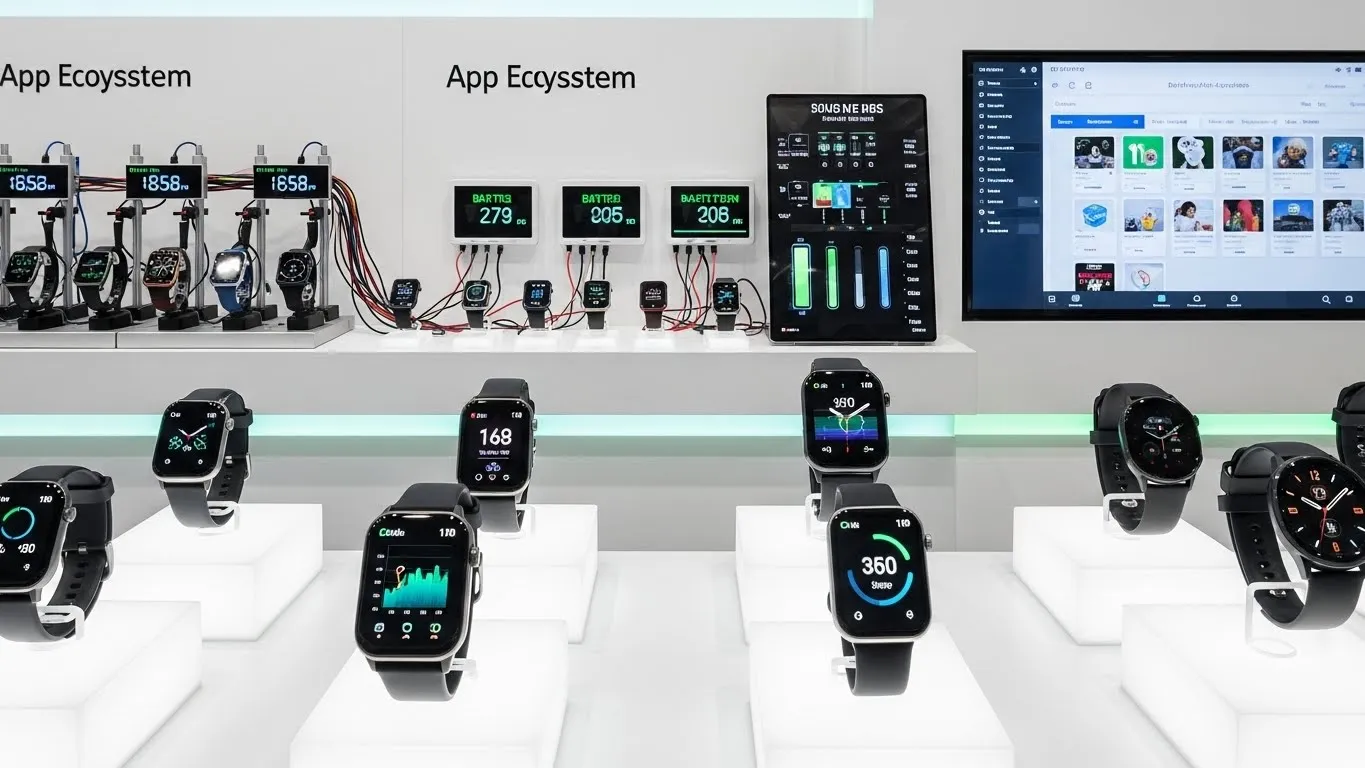
Comparing Smartwatch Fitness Tracking Accuracy Across Popular Brands: Expert Insights
In today's health-conscious world, smartwatches have become indispensable tools for monitoring our well-being. From tracking daily steps to analyzing sleep patterns and heart rate, these wearable devices promise a comprehensive view of our fitness journey. However, a critical question remains for many users: how accurate are these smartwatches, especially when comparing major players like Apple, Samsung, Garmin, and Fitbit? Understanding the nuances of smartwatch fitness tracking accuracy is crucial for anyone relying on these gadgets for health metrics.
This article delves into the performance of popular brands, offering expert insights into their strengths and weaknesses in various tracking categories. We'll explore the technology behind their sensors and algorithms, highlight what differentiates their accuracy, and provide practical advice for maximizing your device's data reliability. Our goal is to equip you with the knowledge to make an informed decision, whether you're a seasoned athlete or just starting your fitness adventure.
Key Points for Smartwatch Fitness Tracking Accuracy:
- Sensor Technology Matters: Different smartwatches use varying optical sensors, accelerometers, and GPS modules, directly impacting data fidelity.
- Algorithmic Refinement: Advanced software algorithms are key to interpreting raw sensor data into meaningful, accurate health metrics.
- Fit and Environment: Proper wrist placement and environmental conditions significantly influence tracking precision.
- Brand Specialization: Some brands excel in specific areas, like Garmin for GPS or Fitbit for sleep tracking, due to their development focus.
- Continuous Improvement: Manufacturers frequently update firmware and hardware, constantly enhancing the smartwatch fitness tracking accuracy of their devices.
Understanding Smartwatch Fitness Tracking Accuracy
The promise of a healthier life often begins with better data. Smartwatches offer a wealth of information, but the utility of this data hinges on its smartwatch fitness tracking accuracy. From daily step counts to complex heart rate variability, the precision of these readings directly impacts a user's ability to make informed decisions about their health and exercise routines.
Several critical factors influence how accurately a smartwatch tracks your fitness. These include the quality and type of sensors used (e.g., optical heart rate sensors, accelerometers, gyroscopes, barometric altimeters, GPS), the sophistication of the algorithms that interpret the raw data, and even external elements like proper device fit and skin tone. Understanding these underlying mechanisms is the first step in appreciating the variations in smartwatch fitness tracking accuracy across different brands.
Deep Dive into Popular Brands: Tracking Performance
Each major smartwatch brand brings its unique approach to fitness tracking, often specializing in certain areas or excelling due to their proprietary technology. Comparing how accurate are smartwatches for fitness involves looking at their strengths in various metrics.
Apple Watch: Precision and Integration
The Apple Watch series is renowned for its seamless integration within the Apple ecosystem and its strong focus on health features. With advanced optical heart rate sensors, ECG capabilities, and precise GPS, Apple Watches generally offer high reliability for heart rate monitoring and outdoor activity tracking. Their continuous refinement of algorithms through vast user data contributes significantly to their overall smartwatch fitness tracking accuracy. For instance, their latest models often feature improved blood oxygen sensors and temperature sensing, offering a broader health overview.
Samsung Galaxy Watch: Versatility and Innovation
Samsung's Galaxy Watch lineup often stands out for its comprehensive health suite and innovative sensor technology. Beyond standard heart rate and GPS, many Galaxy Watch models incorporate a BioActive Sensor that enables Bioelectrical Impedance Analysis (BIA) for body composition insights, alongside ECG and blood oxygen monitoring. While its heart rate and step tracking are generally very competent, Samsung continues to evolve its algorithms to enhance sleep tracking insights and provide more personalized health coaching. This focus on diverse health metrics provides a unique value proposition for users seeking broad health data.
Garmin: The Athlete's Choice for GPS Precision
Garmin has long been a favorite among serious athletes and outdoor enthusiasts, primarily due to its unmatched GPS precision and extensive suite of performance metrics. Garmin smartwatches are engineered for rigorous activity tracking, offering incredibly accurate distance and pace measurements, even in challenging environments. Their heart rate sensors are optimized for workout intensity, and many models provide advanced metrics like VO2 Max estimation, recovery time, and training load. While perhaps less focused on "smart" features than Apple or Samsung, Garmin's dedication to comparing smartwatch sensor reliability in an athletic context makes it a top contender for sport-specific tracking.
Fitbit: User-Friendly Health Insights
Fitbit, now part of Google, has built its reputation on accessible and user-friendly health tracking. Known for its excellent step count reliability and detailed sleep tracking insights, Fitbit devices are popular for general wellness monitoring. While their heart rate tracking is solid for everyday activities, it might not always match the pinpoint accuracy of a dedicated chest strap during high-intensity interval training. Fitbit's strength lies in its comprehensive app, community features, and long-term trend analysis, making it an ideal choice for those focused on holistic health habits rather than hyper-specific athletic performance data.
Key Metrics: How Accurate Are Smartwatches for Fitness?
Evaluating smartwatch fitness tracking accuracy requires a closer look at specific metrics and the underlying technology.
Heart Rate Monitoring Reliability
Most smartwatches use optical heart rate sensors that detect blood flow changes by shining LED light onto the skin. While generally accurate for resting and moderate activity, their reliability can decrease during vigorous exercise, especially movements that cause the watch to shift on the wrist. Studies, such as one published in the Journal of Medical Internet Research in late 2023, consistently show that newer optical sensors from leading brands achieve accuracy within 5% of ECG chest straps for average heart rates, with minor deviations during rapid changes in intensity.
Step Count and Distance Precision
Step counting relies on accelerometers and gyroscopes to detect motion patterns. While highly reliable for distinguishing steps, factors like arm swing and walking style can introduce slight variations. For distance tracking, GPS is paramount for outdoor activities. Garmin devices, often lauded for their superior GPS hardware, generally provide exceptional outdoor distance accuracy, minimizing deviations even in dense urban environments or challenging terrain. Indoor distance estimates, often derived from step count and stride length, are inherently less precise.
Sleep Tracking Insights
Sleep tracking is a complex area where smartwatches estimate sleep stages (light, deep, REM) by monitoring heart rate, movement, and sometimes blood oxygen. While smartwatches can effectively identify sleep duration and wake times, differentiating between specific sleep stages can be less precise compared to clinical polysomnography. However, for identifying general sleep patterns and disturbances, the data provides valuable long-term insights, as noted in a 2024 report by the Sleep Foundation on wearable sleep trackers.
Calorie Burn Tracking: A Complex Calculation
Calculating calorie burn tracking is arguably the most challenging metric for smartwatches due to the multitude of variables involved. Devices use algorithms that consider heart rate, movement, personal data (age, weight, height), and activity type. This estimation is not a direct measurement of metabolic rate but an informed approximation. Therefore, while useful for trending, relying on smartwatch calorie counts for precise dietary adjustments should be done with caution. A comprehensive review by Harvard Health Publishing in early 2025 highlighted that while smartwatches provide a decent estimate for moderate activities, significant variances can occur during specialized workouts or for individuals with unique metabolic profiles.
Expert Insights on Improving Your Smartwatch's Accuracy
Even the most advanced smartwatch can benefit from user-side adjustments to optimize its smartwatch fitness tracking accuracy.
- Ensure Proper Fit: The watch should be snug against your wrist, but not uncomfortably tight, typically about two finger-widths above your wrist bone. A loose fit can lead to inaccurate heart rate readings and inconsistent step counts.
- Keep Software Updated: Manufacturers frequently release firmware updates that improve sensor performance and refine tracking algorithms. Regularly updating your device ensures you have the latest enhancements for better data fidelity.
- Clean Sensors: Sweat, dirt, and lotions can obstruct optical sensors. Wipe the sensor area clean regularly for optimal contact with your skin.
- Consider Environmental Factors: Extreme cold can affect battery performance and sensor function. For GPS, open skies provide better signal strength than dense urban canyons or thick forests.
- Cross-Reference Data: If highly precise data is critical (e.g., for medical conditions or competitive training), consider cross-referencing smartwatch data with a dedicated chest strap heart rate monitor or professional medical equipment periodically.
Internal Linking Strategy Suggestions
- For readers interested in optimizing their device usage: How to Maximize Your Smartwatch's Battery Life for Extended Tracking (Related Article)
- To explore more general tech reviews: The Evolution of Wearable Technology: Beyond Fitness Tracking (Related Article)
- For general information about our content categories: Explore more tech gear articles (Category Link)
FAQ Section
Q: How often should I calibrate my smartwatch for best accuracy?
A: Most modern smartwatches with GPS auto-calibrate over time by comparing accelerometer data with GPS data during outdoor walks or runs. You generally don't need manual calibration. However, ensuring your profile (height, weight, age) is accurate in the app is crucial, as these details significantly influence calorie burn and distance estimations. Regular software updates also enhance calibration.
Q: Can skin tone affect smartwatch heart rate accuracy?
A: Yes, skin tone can sometimes impact the accuracy of optical heart rate sensors. Melanin in darker skin tones can absorb more light from the LED sensors, potentially making it harder for the sensor to detect blood flow changes effectively. While manufacturers are continuously improving sensor technology to mitigate this, some users with darker skin might experience slightly less consistent readings, especially during intense workouts.
Q: Are smartwatches medically accurate enough for health diagnoses?
A: While smartwatches provide valuable health insights and can detect potential issues (like irregular heart rhythms via ECG), they are generally not approved for self-diagnosis or medical treatment without professional medical advice. They are excellent tools for monitoring trends and prompting users to seek medical attention, but their data should always be interpreted in consultation with a healthcare professional.
Q: How does ambient temperature affect smartwatch performance?
A: Extreme ambient temperatures, both hot and cold, can affect smartwatch performance. Cold weather can reduce battery life and potentially impact sensor readings due to constricted blood vessels. High temperatures can cause the device to overheat, leading to throttling or temporary shutdown. For optimal smartwatch fitness tracking accuracy, operate devices within their recommended temperature ranges.
Conclusion: Making an Informed Choice for Fitness Tracking
Understanding smartwatch fitness tracking accuracy is key to leveraging these powerful devices effectively. While no consumer-grade device offers medical-grade precision across all metrics, continuous advancements in sensor technology and algorithmic intelligence are making smartwatches increasingly reliable. Apple, Samsung, Garmin, and Fitbit each bring unique strengths to the table, catering to different user needs and priorities, from the casual wellness tracker to the dedicated athlete.
When choosing a smartwatch, consider your primary fitness goals. Are you focused on long-distance running (Garmin)? General wellness and sleep (Fitbit)? Or a balanced blend of health features and smart capabilities within an ecosystem (Apple, Samsung)? By understanding the nuances of how these devices operate and following expert tips for improving accuracy, you can make the most of your wearable tech.
We encourage you to share your experiences and insights in the comments below – what's your go-to smartwatch for fitness tracking, and why? Explore our other articles for more tech reviews and guides to enhance your digital life.
Extended Reading and Future Insights
The field of wearable technology is rapidly evolving. We recommend staying updated on new sensor developments, such as non-invasive blood glucose monitoring or advanced hydration tracking, which are on the horizon. Future articles will delve into these emerging technologies and their potential impact on smartwatch fitness tracking accuracy. Keep an eye out for updates on:
- The future of non-invasive health monitoring in wearables.
- AI's role in personalizing fitness and health insights.
- Integrating smartwatch data with advanced training platforms.
This article was published on December 11, 2025. Information on wearable technology and its accuracy is subject to rapid advancements; we recommend checking for the latest updates from manufacturers and independent studies periodically.