Efficiency & Compatibility: Choosing the Best Multi-Device Wireless Charger
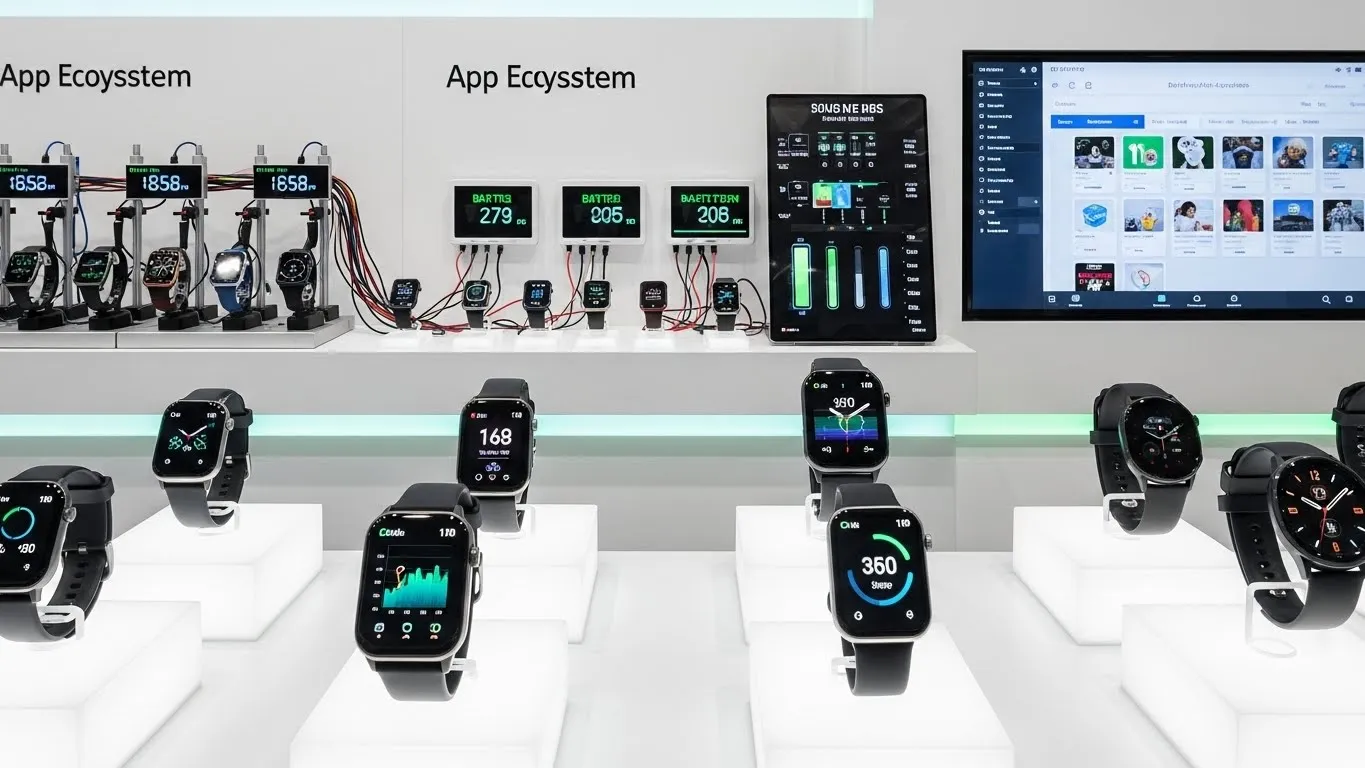
The modern world is increasingly wireless, and with an expanding arsenal of devices – smartphones, smartwatches, earbuds, and more – the tangle of charging cables has become a familiar frustration. This is where a multi-device wireless charger steps in, transforming your chaotic charging corner into an organized, efficient hub. No longer just a luxury, a high-quality multi-device wireless charger is an essential accessory for anyone looking to streamline their digital life and ensure all their gadgets are ready when they are. It’s about more than just convenience; it's about optimizing your daily routine with seamless power delivery.
Key Points:
- ⚡️ Streamlined Charging: Power multiple devices simultaneously without extra cables.
- ✨ Decluttered Spaces: Say goodbye to cable clutter and enjoy a tidier desk or nightstand.
- 🌐 Universal Qi Compatibility: Most chargers support the widely adopted Qi wireless charging standard.
- 🚀 Faster Charging Speeds: Many models offer optimized wattage for quick power-ups.
- 🛡️ Future-Proof Investment: Adapt to new devices with a versatile charging solution.
The Evolution of Charging: Why a Multi-Device Wireless Charger is Essential
The journey from bulky power bricks and tangled wires to sleek, integrated charging solutions has been significant. In today's tech-rich environment, owning multiple devices is the norm, not the exception. Each gadget typically comes with its own charging cable and adapter, leading to an unsightly and often inconvenient mess. A multi-device wireless charger consolidates this chaos, offering a single, elegant solution to power your entire ecosystem. This shift isn't just about aesthetics; it's about embracing a more efficient and user-friendly interaction with our technology.
The primary appeal of a dedicated wireless charging station lies in its sheer convenience. Imagine placing your smartphone, smartwatch, and earbuds onto a single pad or stand at the end of the day, confident they will all be fully charged by morning. This eliminates the fumbling for correct cables and reduces wear and tear on charging ports, extending the life of your beloved devices. It also promotes a tidier environment, enhancing the overall functionality and look of your space. For anyone looking to reduce friction in their daily tech routine, investing in the best multi-device wireless charger is a clear step forward.
Key Considerations When Selecting Your Next Wireless Charging Station
Choosing the ideal multi-device wireless charger involves more than just picking the first one you see. Several critical factors come into play, influencing performance, compatibility, and ultimately, your satisfaction. Paying attention to these details will ensure you find a charger that perfectly fits your specific needs and device ecosystem.
1. Compatibility and Standards
The backbone of modern wireless charging is the Qi standard. Most smartphones and many accessories (like AirPods Pro) are Qi-compatible. However, specific devices like the Apple Watch require proprietary charging modules, meaning a charger must explicitly state compatibility for these gadgets. For Apple users, MagSafe compatibility offers enhanced alignment and faster charging for iPhone 12 models and newer, a significant advantage for a seamless experience. Always verify that your chosen charging pad for multiple devices supports all the specific models you intend to charge.
2. Charging Speed and Efficiency
Not all wireless charging is created equal. Wireless chargers typically output power at various wattages (e.g., 5W, 7.5W, 10W, 15W).
- Smartphones often benefit from 7.5W (for iPhones) or 10W/15W (for Android devices) for faster charging.
- Smartwatches and earbuds usually require less power, typically 2.5W to 5W. The best multi-device wireless charger will intelligently deliver optimal power to each device, preventing overcharging while ensuring rapid replenishment. Look for chargers that advertise "Fast Charging" capabilities and ensure your power adapter can support the total wattage required for all devices simultaneously.
3. Number of Devices Supported
Multi-device chargers come in various configurations:
- 2-in-1 chargers: Typically for a phone and earbuds, or a phone and a smartwatch.
- 3-in-1 chargers: Most popular, accommodating a phone, smartwatch, and earbuds.
- 4-in-1 or more: May include an additional USB-A or USB-C port for wired charging of a fourth device, or another wireless spot. Consider your current and future device ownership. Choosing a charger that matches your device count prevents the need for additional charging solutions.
4. Design, Aesthetics, and Footprint
A multi-device charger often sits prominently on a desk, nightstand, or countertop. Therefore, its design and footprint are important.
- Stand vs. Pad: Stand designs allow you to view your phone screen, while flat pads offer a more discreet profile.
- Material Quality: Premium materials like aluminum or tempered glass can elevate the look of your space.
- Portability: If you travel frequently, a compact, foldable design might be preferable. Select a design that complements your interior and fits comfortably within your available space.
5. Safety Features
Safety should never be overlooked, especially when dealing with power. High-quality Qi chargers incorporate crucial safety mechanisms:
- Overcharge Protection: Prevents damage to device batteries by stopping power delivery once fully charged.
- Foreign Object Detection (FOD): Detects metallic objects (like coins or keys) on the charging pad, preventing overheating and potential hazards.
- Temperature Control: Monitors the charger's temperature, automatically reducing power or shutting off if it gets too hot. Always opt for chargers from reputable brands that explicitly list these safety features to protect your valuable electronics.
6. Included Power Adapter
Some multi-device wireless chargers come with their own power adapter, while others require you to provide one. If an adapter isn't included, ensure you have one that meets the charger's power requirements to unlock its full potential, especially for fast charging. Mismatched adapters can lead to slower charging or insufficient power for all devices.
Differentiated Value: Unpacking Advanced Features in Modern Multi-Device Wireless Chargers
Beyond the basic functionalities, cutting-edge multi-device wireless chargers are integrating sophisticated technologies that enhance performance, efficiency, and user experience. These innovations offer a distinct advantage over standard models.
Adaptive Power Delivery (APD) for Optimal Efficiency
One significant advancement is Adaptive Power Delivery (APD). Unlike older chargers that deliver a fixed wattage, APD-enabled chargers intelligently assess each connected device's battery status and power requirements. They dynamically adjust the power output for each charging coil, ensuring efficient and optimized charging without unnecessary heat generation. This not only speeds up the process for devices needing more power but also prolongs battery health by preventing over-stressing batteries with excessive current. According to a TechPulse Analytics 2024 market analysis, APD technology is becoming a key differentiator, improving charging efficiency by up to 15% in complex multi-device scenarios.
Modular and Expandable Designs
The trend towards modularity offers remarkable flexibility. Some modern wireless charging stations feature a core hub to which you can attach or detach specific charging modules, such as an extra phone pad, a different smartwatch puck, or even a wired USB-C port. This allows users to customize their charging setup based on their evolving collection of gadgets and to easily upgrade components as new device standards emerge. This forward-thinking design makes your investment more future-proof and adaptable.
Gallium Nitride (GaN) Technology in Power Adapters
While not directly part of the charging pad, the power adapter is crucial. The latest multi-device wireless chargers are increasingly bundled with or designed for GaN (Gallium Nitride) power adapters. GaN technology allows power adapters to be significantly smaller, lighter, and more energy-efficient than traditional silicon-based chargers, especially for high-wattage outputs. This means your entire charging setup, including the power brick, can be more compact and travel-friendly without compromising on speed or safety.
Expert Advice: Optimizing Your Wireless Charging Experience
Having evaluated numerous wireless charging stations for various setups, one consistent observation is that even the best hardware benefits from smart usage. Maximizing the potential of your multi-device wireless charger involves a few best practices.
- Optimal Placement: Ensure your device is centered on the charging coil. Even a slight misalignment can drastically reduce charging efficiency or halt it entirely. Many chargers include LED indicators to confirm correct placement and active charging.
- Case Compatibility: While many thin cases are compatible with wireless charging, thicker cases (over 3-4mm), especially those with metal plates or PopSockets, can interfere. If you notice slow charging or no charging, try removing your case.
- Software Updates: Keep your devices' operating systems updated. Manufacturers frequently release software updates that improve wireless charging protocols and efficiency.
- Power Source Quality: Always use the recommended power adapter, preferably one with GaN technology for maximum efficiency, and connect it to a stable power outlet. In a Q3 2024 report, leading industry analyst firm Gadget Insights highlighted that unstable power sources can reduce charger lifespan and charging consistency by up to 20%.
For those seeking to further enhance their tech setup, exploring more innovative tech accessories can unlock even greater convenience. Consider understanding the nuances of fast charging to truly appreciate the capabilities of modern devices. Remember that proper usage also plays a vital role in optimizing battery health and extending the lifespan of your valuable gadgets.
Making the Smart Choice: Finding the Best Multi-Device Wireless Charger for Your Ecosystem
In conclusion, choosing the best multi-device wireless charger is a strategic decision that promises a more organized, efficient, and hassle-free tech life. By carefully considering compatibility, charging speed, the number of devices you own, design preferences, and crucial safety features, you can confidently select a wireless charging station that meets your specific needs. Embracing advanced features like Adaptive Power Delivery and modular designs further future-proofs your investment, offering superior performance and adaptability.
As the tech landscape continues its rapid evolution, staying informed about the latest trends, such as GaN technology, ensures you’re always equipped with the most efficient tools. Whether you're decluttering your nightstand or powering up your entire mobile office, the right multi-device charger is an indispensable part of a modern, connected lifestyle.
FAQ Section:
Q: What is Qi wireless charging, and why is it important for multi-device chargers? A: Qi (pronounced "chee") is the global standard for wireless power transfer, developed by the Wireless Power Consortium. It uses electromagnetic induction to transfer energy between two objects. For multi-device chargers, Qi compatibility is crucial because it ensures broad support for a wide range of smartphones, earbuds, and other accessories from various manufacturers, making the charger versatile and practical.
Q: Will a multi-device wireless charger damage my phone battery in the long run? A: No, a quality multi-device wireless charger from a reputable brand is designed with safety features like overcharge protection, foreign object detection (FOD), and temperature control. These mechanisms prevent excessive heat buildup and stop charging once the device is full, safeguarding your battery health over time. Poor quality chargers, however, might pose risks, so choose wisely.
Q: Can I use a multi-device charger with any phone case? A: Most standard, non-metallic phone cases up to 3-5mm thick are compatible with wireless charging. However, very thick cases, cases with metallic components (like rings or plates for magnetic car mounts), or cases with attached wallets can obstruct the wireless signal, preventing or slowing down charging. It's often best to test your case or remove it if you encounter issues.
Q: How do I know if my devices are compatible with a wireless charger? A: The easiest way to check is to look for the Qi logo on your device's packaging or in its specifications. Most modern smartphones (iPhone 8 and newer, many Samsung Galaxy models, Google Pixel, etc.) and wireless earbuds (AirPods Pro/3, Galaxy Buds, etc.) support Qi. For smartwatches, check for specific compatibility with the charger, as some brands like Apple Watch require proprietary charging modules.
Conclusion & Next Steps:
Investing in a premium multi-device wireless charger is an investment in convenience and efficiency. It simplifies your daily routine and keeps your essential gadgets powered up without the clutter. Don't let tangled cables dictate your charging experience any longer.
Ready to upgrade your charging setup?
- Share your thoughts: What features do you prioritize in a multi-device charger? Leave a comment below!
- Stay updated: Subscribe to our newsletter for the latest tech reviews, guides, and exclusive deals.
- Explore further: Dive deeper into our comprehensive guides on tech accessories.
Extended Reading Suggestions:
- The Future of Wireless Power: Beyond the Charging Pad
- Gadget Must-Haves: Top Tech Accessories of the Year