Expert Review: Best Smartphone Camera Features for Professional-Quality Photography
Expert Review: Best Smartphone Camera Features for Professional-Quality Photography
The lines between professional cameras and smartphone photography have blurred dramatically. Today's smartphones are not just communication devices; they are sophisticated imaging powerhouses capable of capturing breathtaking, professional-quality photos. For anyone looking to elevate their mobile photography game, understanding the best smartphone camera features for professional-quality photography is paramount. This guide will delve into the essential hardware and software innovations that truly make a difference, helping you choose a device that can capture stunning images worthy of any portfolio.
Key Points:
- Large Sensors & Aperture: Crucial for low-light performance and shallow depth of field.
- Advanced Computational Photography: AI-driven features like HDR and Night Mode enhance image quality significantly.
- Versatile Lens Systems: Telephoto, ultrawide, and macro lenses offer creative flexibility.
- Pro/Manual Controls: Essential for photographers needing precise control over settings.
- Optical Image Stabilization (OIS): Minimizes blur for sharper photos and smoother videos.
Unlocking Professional Quality: Essential Smartphone Camera Features
Gone are the days when "phone camera" was synonymous with mediocre image quality. Modern flagship smartphones leverage a combination of advanced optics, larger sensors, and sophisticated computational photography to deliver results that rival traditional cameras. When searching for the best smartphone camera features for professional-quality photography, it's crucial to look beyond just megapixels. The real magic lies in how these diverse components work together.
The Power of Hardware: Understanding Core Camera Components
Achieving professional-grade results from your mobile device starts with robust hardware. These foundational elements dictate the raw image quality before any software enhancements.
Large Camera Sensors and Wide Apertures for Superior Image Capture
At the heart of any great camera is its sensor. A larger sensor can capture more light and detail, leading to better dynamic range and reduced noise, especially in challenging lighting conditions. Paired with a wider aperture (represented by a smaller f-number like f/1.8 or f/1.5), the sensor receives even more light, enhancing low-light performance and allowing for beautiful, natural background blur (bokeh). This combination is arguably the most impactful hardware feature for professional smartphone camera performance.
For instance, the significant increase in sensor sizes seen in models like the Samsung Galaxy S24 Ultra or iPhone 15 Pro Max directly contributes to their superior low-light capabilities and richer detail. According to a 2024 report by DXOMARK, sensor size remains a critical factor, often outweighing mere megapixel count when assessing overall image quality in mobile devices.
The Versatility of Multi-Lens Systems
Modern smartphones typically feature multiple lenses, each designed for specific purposes, offering photographers unparalleled flexibility.
- Primary Wide-Angle Lens: The main lens, often with a large sensor and wide aperture, is your go-to for most shots, capturing a broad perspective with excellent detail.
- Ultrawide-Angle Lens: Perfect for landscapes, architecture, and fitting more into the frame, providing a dramatic perspective. Look for those with autofocus for greater versatility.
- Telephoto Lens: Essential for zooming in on distant subjects without significant loss of quality. Optical zoom (e.g., 3x, 5x, 10x) is vastly superior to digital zoom, preserving detail for sharper images. Some phones offer a "periscope" design for extended optical reach.
- Macro Lens: While less common, a dedicated macro lens or a macro mode on an ultrawide lens allows for stunning close-up photography, revealing intricate details often invisible to the naked eye.
Software Innovation: The Brains Behind Professional Mobile Photography
While hardware lays the groundwork, it's the sophisticated software and computational photography that truly elevate a smartphone camera to a professional tool. These features leverage artificial intelligence and advanced algorithms to process and enhance images in ways traditional cameras often cannot.
Computational Photography: AI's Role in Image Perfection
Computational photography is where smartphones truly differentiate themselves. This field uses algorithms to overcome the physical limitations of small smartphone sensors.
- High Dynamic Range (HDR): This feature automatically captures multiple exposures (dark, normal, bright) and intelligently merges them to create a single image with detail preserved in both highlights and shadows. Smart HDR implementations further refine this process, leading to incredibly balanced photos.
- Night Mode: By capturing a series of images over several seconds and using AI to combine them, Night Mode drastically improves low-light performance, producing bright, detailed photos where traditional cameras would struggle without a tripod. Google Pixel phones, for example, pioneered this technology with stunning results.
- Portrait Mode & Cinematic Video: Utilizing depth sensors (like LiDAR on iPhones) or advanced algorithms, Portrait Mode accurately separates the subject from the background, creating a professional-looking bokeh effect. Cinematic Mode takes this a step further for video, allowing you to rack focus between subjects in real-time or post-capture, adding a truly professional touch to your mobile cinematography.
Pro Controls and RAW Capture for Post-Processing Flexibility
For serious photographers, manual control is non-negotiable. Many premium smartphones now offer "Pro" or "Manual" modes that allow you to adjust settings like ISO, shutter speed, white balance, and focus. This level of control is vital for creative expression and adapting to specific shooting conditions.
Equally important is the ability to shoot in RAW format (e.g., Apple ProRAW, Samsung Expert RAW, or standard DNG). Unlike JPEGs, RAW files contain uncompressed image data directly from the sensor, providing maximum flexibility for editing in post-production. This is a game-changer for anyone aiming for a professional workflow and meticulous color grading.
Image Stabilization: Keeping Your Shots Crisp and Clear
Blur is the enemy of professional photography. Two main types of image stabilization help combat this:
- Optical Image Stabilization (OIS): A hardware-based solution where the lens element or sensor physically moves to counteract camera shake. OIS is highly effective for both photos (especially in low light) and video, ensuring sharper images and smoother footage.
- Electronic Image Stabilization (EIS): A software-based method that crops and adjusts the image during recording or capture to reduce shakiness. While effective, it can sometimes lead to a slight loss in image quality or a "jello" effect in videos. Hybrid stabilization systems, combining OIS and EIS, offer the best of both worlds.
Differentiated Insights: Beyond the Spec Sheet
While individual features are important, a truly professional experience comes from their synergistic integration and the overall processing pipeline.
- The "Invisible" AI Workflow: Beyond specific modes, modern smartphone cameras continually use AI to optimize every shot. This includes intelligent scene recognition, automatic white balance adjustments, and even subtle improvements to dynamic range that happen before you press the shutter. This background processing, often updated via software, means your phone is always trying to give you the best image, adapting to scenarios dynamically. A recent analysis from Counterpoint Research (2025) highlights the growing demand for these advanced, always-on computational photography features.
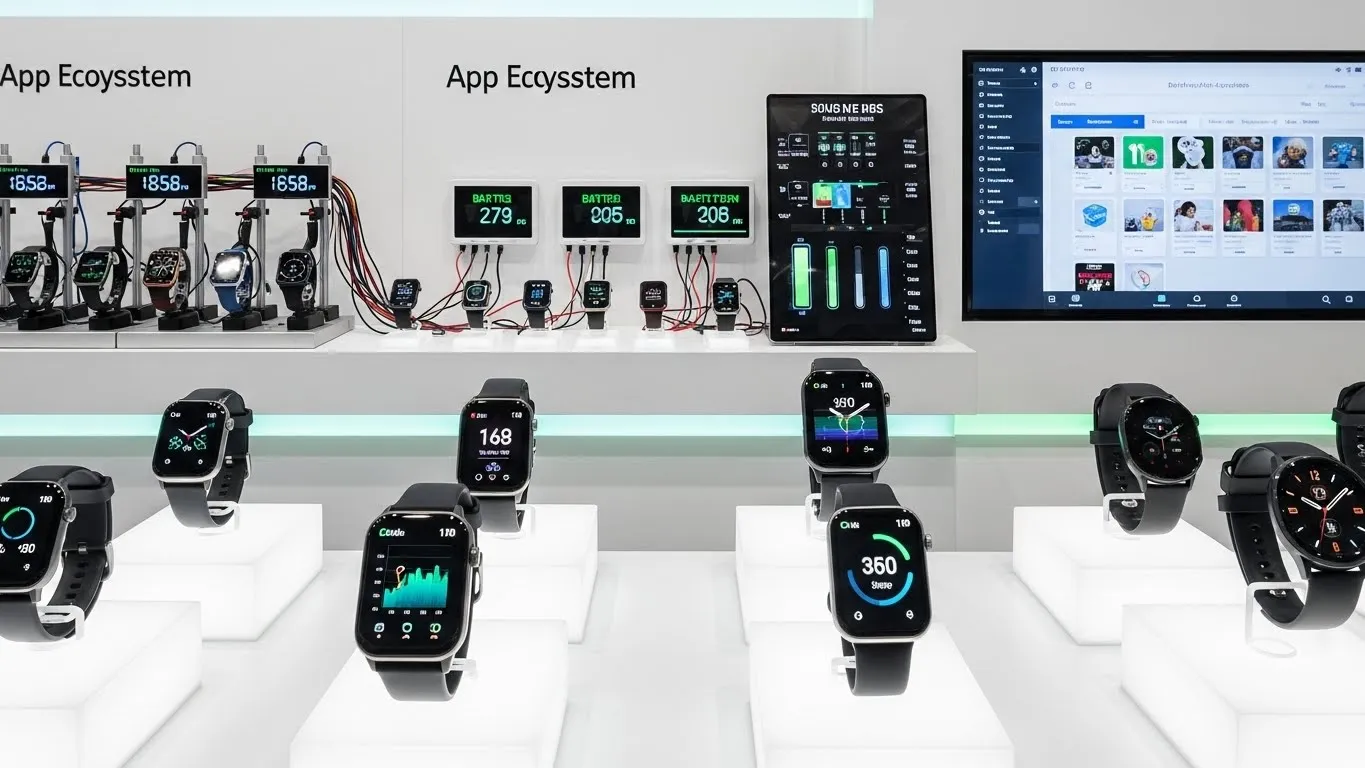
- Ecosystem Integration: The value of a professional smartphone camera extends to its integration with other devices and services. Seamless transfer to a tablet for editing, cloud backup for collaboration, or direct sharing to professional platforms can significantly enhance a photographer's workflow. This is a critical, often overlooked aspect of using a smartphone for professional work.
Frequently Asked Questions About Professional Smartphone Cameras
Q1: Do megapixels really matter for professional photos on a smartphone?
While more megapixels can mean more detail, especially for cropping or large prints, they are not the sole indicator of professional quality. A larger sensor, better optics, and sophisticated computational photography often contribute more significantly to overall image quality, dynamic range, and low-light performance than raw megapixel count alone. Focus on sensor size and aperture first.
Q2: What's the main difference between optical zoom and digital zoom?
Optical zoom uses physical lens elements to magnify the image before it hits the sensor, preserving detail and quality. Digital zoom, on the other hand, merely crops and enlarges a portion of the image, often leading to a noticeable loss of detail and pixelation. For professional-quality results, always prioritize phones with dedicated optical telephoto lenses.
Q3: Can a smartphone truly replace a DSLR or mirrorless camera for professional work?
For certain types of professional work, especially where portability and speed are key (e.g., social media content, behind-the-scenes, travel vlogging), a high-end smartphone can absolutely be sufficient. However, for specialized tasks requiring extreme low-light performance, very shallow depth of field, or interchangeable professional lenses, dedicated cameras still hold an advantage. Smartphones are powerful tools, not always direct replacements.
Q4: What key software features should I look for besides Night Mode and Portrait Mode?
Beyond Night and Portrait modes, look for advanced HDR implementations, manual/Pro modes with RAW capture capabilities, and robust video features like 4K 60fps recording, cinematic modes with depth control, and strong video stabilization. The quality of the camera app's interface and responsiveness also plays a huge role in the overall user experience and ability to capture spontaneous moments.
Elevate Your Photography with the Right Smartphone
Choosing a smartphone for professional-quality photography requires a discerning eye, looking beyond flashy marketing terms to the underlying technology. By focusing on essential features like large sensors, wide apertures, versatile multi-lens systems, and intelligent computational photography, you can select a device that genuinely empowers your creative vision. The best smartphone camera features for professional-quality photography are those that provide control, versatility, and exceptional image quality, enabling you to capture stunning visuals no matter where you are.
Ready to take your mobile photography to the next level? Explore the full capabilities of your chosen device, experiment with its Pro modes, and dive into post-processing. For further guidance on choosing the right smartphone for your needs, delve into our comprehensive Smartphone Selection Guide. If you're keen to understand the technical specifications that drive these features, check out our article on understanding smartphone camera specs. And once you've captured those amazing shots, learn how to refine them with our guide to editing your smartphone photos like a pro.
Share your favorite smartphone photography tips in the comments below, or subscribe to our newsletter for the latest reviews and guides.
Future Reading Suggestions:
- The Future of AI in Smartphone Cameras: Predictive Imaging and Beyond
- Flagship Camera Shootout: A Deep Dive into the Latest Models
- Essential Accessories for Professional Smartphone Photography