Top Wireless Earbuds Features Comparison: Battery Life vs. Sound Quality
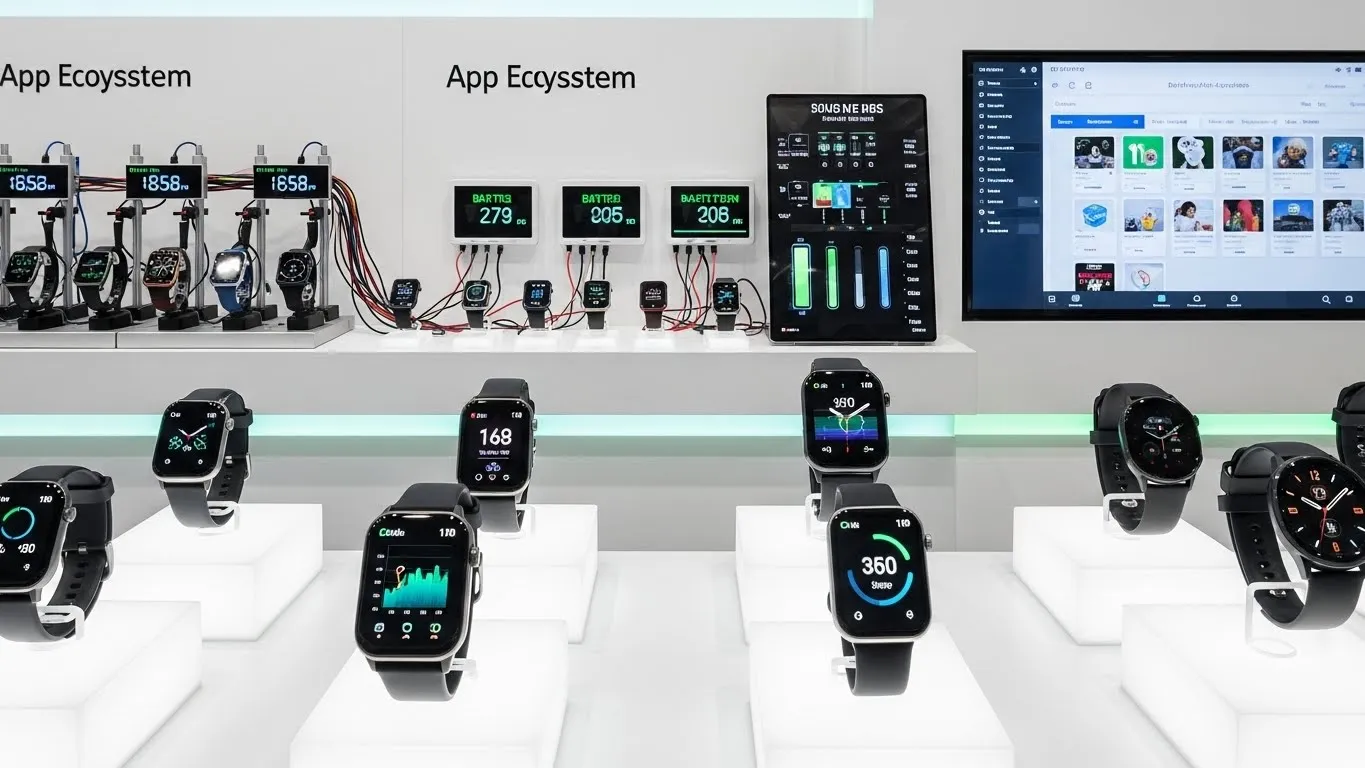
Top Wireless Earbuds Features Comparison: Battery Life vs. Sound Quality
Choosing the perfect pair of wireless earbuds can feel like navigating a maze of specifications. At the heart of this decision for many users lies a crucial dilemma: prioritize exceptional battery life or superior sound quality? This top wireless earbuds features comparison aims to demystify the choices, helping you weigh the pros and cons of these vital aspects. Whether you're an audiophile, a frequent traveler, or someone seeking an all-day audio companion, understanding this trade-off is paramount.
We will delve into what defines excellent sound and robust battery performance, exploring how these features intersect with other crucial aspects like comfort, connectivity, and active noise cancellation (ANC). Our goal is to equip you with the knowledge to make an informed decision tailored to your specific needs and listening habits.
Key Points for Choosing Wireless Earbuds:
- Battery Life vs. Sound Quality: Understand the inherent trade-offs between longer playback and audio fidelity.
- Impact of Features: How ANC, codecs, and volume affect both battery duration and sound experience.
- Personalized Audio: Explore the growing importance of custom EQ and adaptive sound profiles.
- Future Trends: Get a glimpse into emerging technologies like LE Audio and AI integration.
- Holistic Evaluation: Consider comfort, durability, and connectivity alongside core performance.
The Enduring Debate: Wireless Earbuds Battery Life vs. Sound Quality
For many consumers, the top wireless earbuds features comparison often boils down to a fundamental choice between longevity and auditory excellence. While technological advancements strive to minimize compromises, a perfect balance remains elusive for most. Understanding the core components that influence each factor is the first step towards making an informed decision.
Wireless earbuds have become indispensable companions, from daily commutes to intense workouts. Their portability and convenience mean they’re often lumped in with other portable audio devices like Tablet and 2-in-1 Devices, becoming integral to our mobile digital ecosystem.
Unpacking Wireless Earbuds Battery Life
Battery life is arguably one of the most practical considerations for any portable electronic device. For wireless earbuds, it dictates how long you can enjoy your audio before needing a recharge. This aspect isn't just about the raw hours; it's also about convenience and uninterrupted usage.
Several factors directly impact wireless earbuds battery life:
- Active Noise Cancellation (ANC): This feature, while highly desirable for immersive listening, is a significant power consumer. Engaging ANC can reduce battery life by 20-40%. For instance, a pair of earbuds rated for 8 hours without ANC might only last 5-6 hours with it activated.
- Volume Levels: Listening at higher volumes naturally drains the battery faster. The louder the sound, the more power the drivers require.
- Bluetooth Codecs: While essential for sound quality, some advanced codecs (like LDAC or aptX Adaptive) require more processing power and bandwidth, potentially shortening battery life compared to basic codecs like SBC or AAC.
- Charging Case Capacity: The charging case is an extension of the earbuds' battery life, offering multiple recharges on the go. Its capacity significantly contributes to the total listening time before needing an external power source.
- Quick Charge Features: Many modern earbuds offer quick charging, providing an hour or more of playback from a short 5-10 minute charge. This is a game-changer for users on the go.
According to a 2024 market analysis by TechInsights, average earbud battery life with ANC on increased by approximately 15% year-over-year, largely due to more efficient chipsets and improved battery chemistry. However, this growth still places practical limits on how many hours can be squeezed out before a recharge.
Delving into Wireless Earbuds Sound Quality
Sound quality is a subjective yet critical metric. It encompasses clarity, bass response, detail, soundstage, and overall audio fidelity. For audiophiles and casual listeners alike, a rich and clear audio experience can elevate anything from music to podcasts.
Key elements influencing wireless earbuds sound quality:
- Drivers: These are the components that produce sound.
- Dynamic Drivers: Common, good for strong bass, found in most earbuds.
- Balanced Armature Drivers: Smaller, more precise, often used in multi-driver setups for detailed highs and mids.
- Planar Magnetic Drivers: Less common in earbuds, offer excellent detail and low distortion.
- Audio Codecs: These algorithms compress and decompress audio data for Bluetooth transmission.
- SBC & AAC: Standard codecs, widely supported, good for general listening. AAC is preferred by Apple devices.
- aptX (Adaptive, HD, Low Latency): Qualcomm's codecs offering higher quality and lower latency for Android devices.
- LDAC: Sony's high-resolution audio codec, capable of transmitting more data for a richer sound experience.
- LHDC: Another high-resolution codec, emerging in some premium devices.
- Frequency Response: The range of frequencies an earbud can reproduce (e.g., 20Hz-20kHz, covering human hearing). A wider, flatter response generally indicates more accurate sound.
- Digital Signal Processing (DSP): Many earbuds use DSP to fine-tune sound, offering features like adaptive EQ or spatial audio, which can significantly enhance the listening experience.
- Personalized Sound Profiles: A growing trend, where apps use hearing tests or AI to create a custom sound profile tailored to your individual hearing. This offers a unique value point by optimizing the output specifically for you. Recent findings published in the Audio Engineering Society Journal (2023) highlight the increasing effectiveness of personalized sound algorithms in improving perceived audio quality.
The Inherent Trade-Off: Where Do You Compromise?
The reality is that achieving both ultra-long battery life and top-tier sound quality in a compact, wireless earbud form factor often involves compromises. Advanced audio processing, higher-bitrate codecs, and powerful drivers that deliver exceptional sound all consume more power. This leaves manufacturers to strike a delicate balance.
For instance, earbuds designed for audiophiles might prioritize larger drivers and support for high-resolution codecs, which inherently demand more power. Conversely, budget or utility-focused earbuds might opt for smaller batteries and simpler codecs to extend playtime, often at the expense of nuanced sound.
When battery life matters more:
- Long flights or commutes without access to charging.
- Extended workouts or outdoor activities.
- Using earbuds primarily for calls or podcasts where audio fidelity is less critical.
- Users who frequently forget to charge their devices.
When sound quality matters more:
- Critical listening for music enthusiasts or producers.
- Users who appreciate subtle details, wide soundstage, and accurate instrument separation.
- Using earbuds for enjoying high-resolution audio files.
- Environments where immersive, high-fidelity sound is desired (e.g., quiet home listening).
Beyond the Core: Other Key Features to Consider
While wireless earbuds battery life and sound quality are central, a holistic top wireless earbuds features comparison requires evaluating other critical aspects:
- Comfort and Fit: Essential for long listening sessions. Ergonomic design, various ear tip sizes, and lightweight construction contribute to a comfortable, secure fit.
- Active Noise Cancellation (ANC): Crucial for blocking out ambient noise in busy environments. Different levels of noise-cancelling technologies vary in effectiveness.
- Transparency/Ambient Mode: Allows you to hear your surroundings without removing the earbuds, important for safety and awareness.
- Durability and Water Resistance (IP Rating): Essential for fitness enthusiasts or outdoor use. An IPX4 rating protects against splashes, while higher ratings offer more robust water or dust resistance.
- Connectivity: Bluetooth version (e.g., 5.2, 5.3) impacts stability, range, and power efficiency. Multipoint connectivity allows simultaneous connection to two devices.
- Controls: Touch or physical buttons for playback, calls, volume, and ANC toggling. Customizability through companion apps is a bonus.
- Microphone Quality: Important for calls, especially for professional use.
The Future of Wireless Earbuds: Differentiated Value
The industry is rapidly evolving, bringing differentiated content and new features to the forefront. Two significant trends are shaping the future:
- LE Audio (Bluetooth Low Energy Audio): This upcoming Bluetooth standard (expected to become widespread by 2025) promises significant improvements. It will enable higher quality audio at lower power consumption, potentially blurring the lines between wireless earbuds battery life and sound quality. It also introduces Auracast, allowing multiple devices to connect to a single audio source.
- AI Integration and Adaptive Sound: Beyond simple EQ, AI is being used to dynamically adjust sound based on your environment, ear canal shape, and even real-time hearing conditions. A report by Canalys in late 2024 highlighted that AI-driven personalized sound experiences are becoming a key competitive battleground for premium earbud manufacturers. This allows for truly optimized performance without manual intervention, a game-changer for optimizing your listening experience.
Making Your Ultimate Wireless Earbuds Choice
To make the best decision in your top wireless earbuds features comparison, start by honestly assessing your primary use cases.
- Are you constantly on the go, needing maximum uptime and quick recharges? Prioritize higher battery life ratings, efficient charging cases, and perhaps sacrifice some high-end audio features.
- Is music fidelity your absolute priority, where every note and nuance matters? Focus on models with advanced codecs, larger drivers, and personalized EQ options, even if it means more frequent charging.
Remember that a balanced approach is often possible. Many premium earbuds today offer a commendable blend of both, with excellent ANC that enhances the sound experience by reducing distractions, along with respectable battery longevity. For those who frequently switch between devices, considering /articles/how-to-get-the-best-sound-from-your-wireless-earbuds can provide further insights.
FAQ Section
Q1: How much battery life is considered "good" for wireless earbuds in 2025?
A: In 2025, a good benchmark for earbud battery life (per charge) is around 6-8 hours with ANC enabled, and 8-12 hours without. When considering the charging case, a total listening time of 25-35 hours is generally excellent. Quick charging capabilities, offering 1-2 hours of playback from a 5-10 minute charge, also define a competitive offering in terms of practicality.
Q2: Do all high-quality wireless earbuds have good battery life?
A: Not necessarily. While technological advancements improve both aspects, earbuds with features like large drivers, high-resolution audio codecs (e.g., LDAC), and powerful active noise cancellation tend to consume more power. This often leads to a trade-off where superior sound quality or more intensive features might result in slightly shorter battery life compared to simpler models.
Q3: What is the most important factor for sound quality in wireless earbuds?
A: There isn't a single "most important" factor, as sound quality is a combination of elements. Key contributors include the quality and type of drivers (dynamic, balanced armature), support for high-fidelity audio codecs (like LDAC or aptX Adaptive), and effective digital signal processing (DSP) for tuning and personalization. A comfortable, secure fit also significantly impacts perceived sound quality by ensuring proper seal and bass response.
Q4: Is Active Noise Cancellation (ANC) worth the battery drain?
A: For many users, yes. ANC significantly enhances the listening experience by reducing distracting ambient noise, especially in loud environments like commutes or offices. While it does consume more battery, the immersive and focused audio experience it provides often outweighs the reduced playback time. Many earbuds offer adjustable ANC levels or a transparency mode, allowing users to balance power consumption with environmental awareness as needed.
Conclusion
Navigating the top wireless earbuds features comparison between battery life and sound quality is a personal journey, driven by your unique needs and preferences. While the perfect fusion remains an ongoing pursuit for manufacturers, the market offers an impressive range of choices that excel in one area or strike a commendable balance. By understanding the core technologies, evaluating other critical features, and considering emerging trends, you can confidently choose the earbuds that will truly enhance your daily audio experience.
We encourage you to explore different models, read user reviews, and even try on various pairs to find the fit and sound profile that resonates most with you. Share your thoughts in the comments below – what’s your ultimate priority in wireless earbuds?
Extended Reading Suggestions:
- Explore more about noise-cancelling technologies and their impact on daily life:
/articles/understanding-active-noise-cancellation-in-earbuds - Learn about optimizing your device's audio settings:
/articles/how-to-get-the-best-sound-from-your-wireless-earbuds - Discover other innovative accessories for your portable devices in our comprehensive
/categories/tablet-and-2-in-1-devicessection.
Timeliness and Future Updates: This article was published on 2025-12-11. The wireless earbud market is dynamic; we recommend checking for updates every 6-12 months as new technologies like advancements in LE Audio and AI-powered audio processing continue to emerge. Potential future subtopics could include "The Impact of Custom EQ on Earbud Battery Life," "The Role of AI in Adaptive Earbud Sound," and "Comparing Wireless Earbuds for Voice Call Quality."